
Virtual separation anxiety training nationwide
Can't leave your dog home alone?
I can help you feel comfortable leaving again.
What you get
- A training plan customized to your dog
- Clear guidance on what to practice each day
- Daily support when you have questions or get stuck
- Weekly Zoom check-ins to review progress
Leaving the house shouldn't be this hard
- Coming home to pee on the floor, chewed-up stuff, or scratched-up doors
- Getting complaints from neighbors about barking or howling
- Finding a sitter or daycare every time you need to go somewhere
- Missing out on plans because you can't find someone to watch your dog
I've been there, and I can help
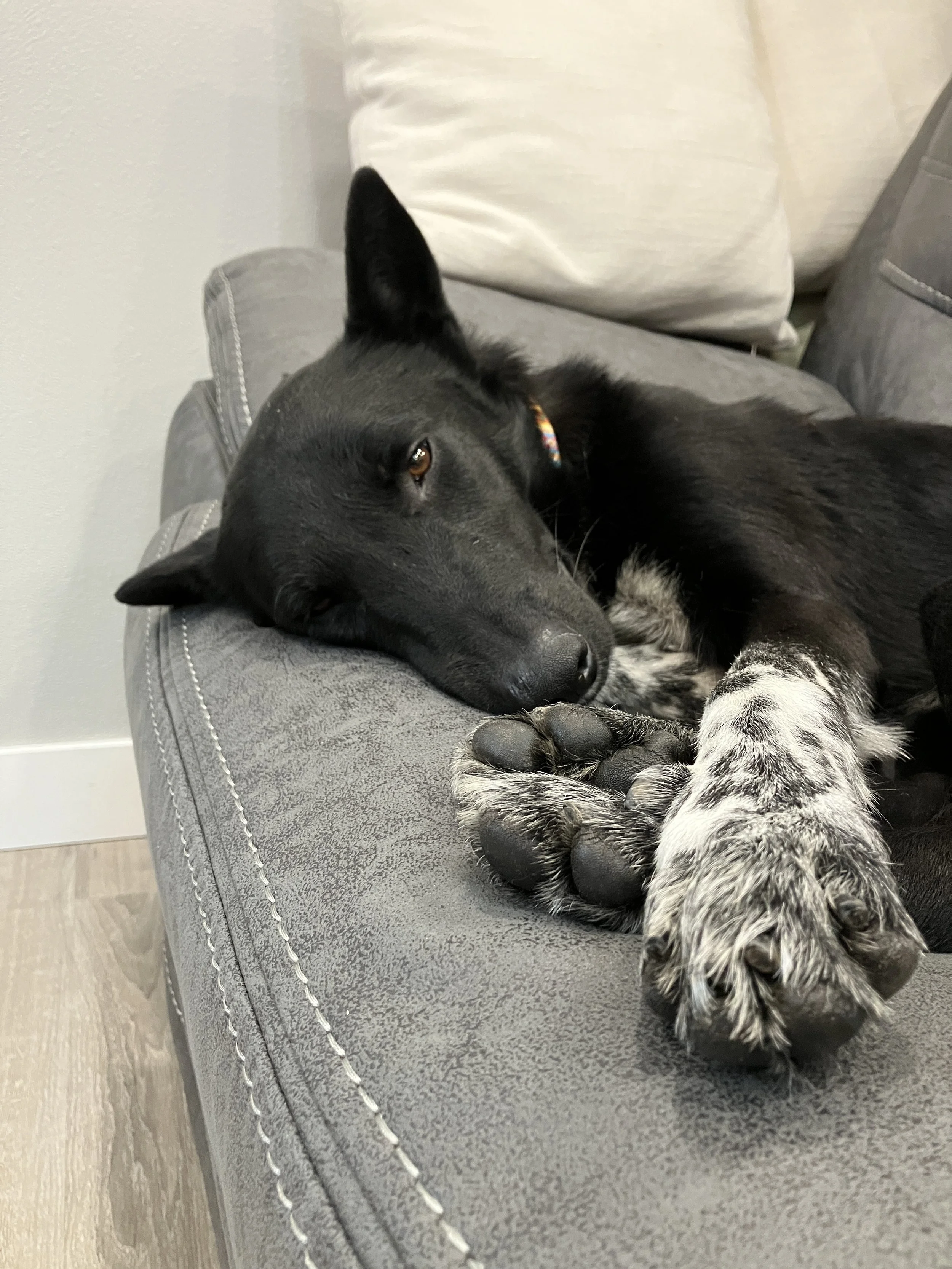
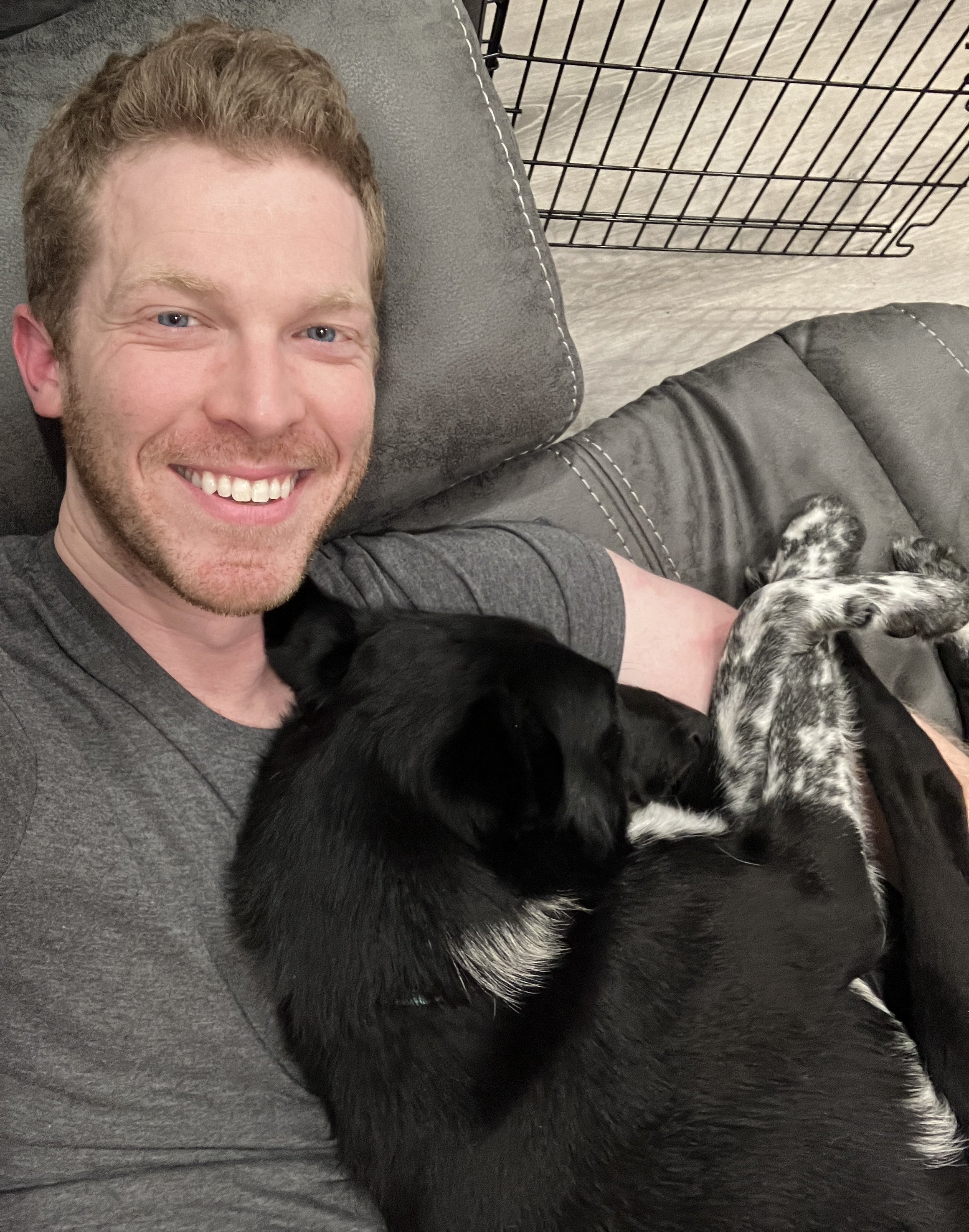
I'm Jacob, the trainer behind Step by Step. My little Malinois/Cattle Dog mix, Jonesy, has separation anxiety, and we're working through it together. So I know firsthand how much it can take over your life.
I've spent so much money and energy coordinating sitters and daycare whenever I needed to go anywhere, and sometimes had to cancel plans when that fell through. So many times, I've wished I could just leave my dog home like everyone else.
I can help you get through this. I'll take care of the training plan, help you put it into practice, and answer the questions that come up along the way.
How separation anxiety training works
Separation anxiety training is a careful process. We start by leaving your dog home alone for an amount of time they can comfortably handle, watch their body language closely over a camera, and gradually build toward longer periods alone based on how they're doing.
Get started
Tell me a little about you, your dog, and what happens when they're left alone. After you submit the form, I'll follow up by email. If you'd rather talk, you can also schedule a free 20-minute call.
Start the conversation
Initial consultation
We'll talk through your dog's history, go over how separation anxiety training works, and watch your dog during a short absence to get a baseline for where they're starting.
By the end, you'll have a better understanding of what your dog is doing when they're alone, how to read their body language, and how we'll approach training.
Start training
Training happens at home, with me coaching you remotely. Five days each week, I'll give you a customized training mission based on what your dog is showing us. During each mission, you'll leave the house for short periods of time while watching your dog on camera, gradually building up how long they're comfortable being alone.
I'll review your training throughout the week and adjust the next missions based on what we're seeing. We'll also meet on Zoom once per week to go over progress, troubleshoot anything that's come up, and talk about what comes next.
Keep going
Separation anxiety training takes time. It's best to think in terms of months, not weeks. At the end of each 4-week package, we'll look at how things are going, and if you want to keep working together, you can continue with another package.
-
Barking, destruction, accidents, or other problems when you’re gone don’t necessarily mean your dog has separation anxiety. Dogs can behave this way for other reasons, including boredom, outside triggers, or distress about being confined.
The best way to understand what’s going on is to watch your dog when they’re alone. We’ll use video to look at their body language and behavior and get a better idea of what they’re going through.If you’d like to learn more, take a look at Does My Dog Have Separation Anxiety?
-
There’s no set timeline. Every dog is different, and we’ll move at a pace based on what your dog is showing us rather than trying to follow a predetermined schedule.
Progress also isn’t always linear. There will probably be easier days and harder days along the way. The goal is to gradually build your dog’s comfort with being alone, not to hit a certain number of minutes by a certain date.
In general, though, it’s best to think in terms of months, not weeks.
-
This is one of the hardest parts of separation anxiety training: while we’re working on the problem, your dog shouldn’t be left alone longer than they can comfortably handle. The training doesn’t work very well if we practice comfortable absences and then regularly put your dog back into situations where they panic.
That may mean temporarily using daycare, friends or family, pet sitters, bringing your dog with you, or finding other ways to cover necessary absences. I’ll make sure we talk about this before you book your initial consultation so you know what the program will require.
-
Yes. Watching your dog is a big part of the process.
Dogs can show subtle signs that they’re starting to become uncomfortable well before barking, howling, or destruction starts. A camera lets us see those changes and make training decisions based on what your dog is actually doing while you’re gone.
You don’t need anything fancy. A basic camera that lets you watch your dog live is enough.
-
Usually not as part of separation anxiety training. Many dogs with separation anxiety also struggle with confinement, and putting a panicking dog in a crate can make things worse. And in severe cases, dogs can hurt themselves trying to escape.
That doesn’t mean crates are bad or that your dog can’t be crate trained. It means we need to figure out whether your dog is actually comfortable being confined and choose the setup where they feel safest.
-
That can be a sign that your dog is too stressed to eat, but food isn’t a reliable way to tell whether your dog is comfortable. Some anxious dogs will still eat, and others may eat until the food is gone and then become distressed.
For that reason, I’ll rely primarily on your dog’s body language and behavior, not whether they’ll take food, to guide the training.
-
Maybe. Some dogs make progress without medication, while for others it can be an important part of the process.
Medication decisions are something to discuss with your veterinarian or a veterinary behaviorist. I do recommend keeping your vet informed that you’re working on separation anxiety, and if I think a conversation about medication could be helpful, I’ll let you know.
-
I wouldn’t get another dog specifically to treat separation anxiety. Some dogs are more comfortable as long as someone (human or canine) is around, but many dogs are distressed specifically by the absence of a particular person or people. Another dog isn’t a reliable treatment for that.
If you already want another dog for other reasons, that’s a different conversation. But I wouldn’t add a second dog expecting them to fix the first dog’s separation anxiety.
-
At the end of the 4 weeks, we’ll look at where your dog started, where they are now, and what makes sense next.
If you’d like more help, you can sign up for another 4-week training package. Eventually, the goal is for you to understand your dog and the training process well enough that you don’t need me anymore.
Common questions
Ready to get started?
Tell me a little about you, your dog, and what happens when they're left alone. After you submit the form, I'll follow up by email. If you'd rather talk, you can also schedule a free 20-minute call.